
- Details
In a recent editorial published in Advances in Polar Science (Volume 36, Issue 2), renowned science diplomat Prof. Paul Arthur Berkman shares his vision for the 5th International Polar Year (IPY-5), emphasizing global inclusion as a cornerstone. Prof. Berkman explores current and accelerating momentum to implement science with society across the International Decade of Sciences for Sustainable Development 2024–2033 with IPY-5 as a guiding light.

- Details
Do not miss your chance to join the 17th International Green Energy Conference (IGEC25) and the 6th International Conference on Energy and AI at the early bird rate!
- Details
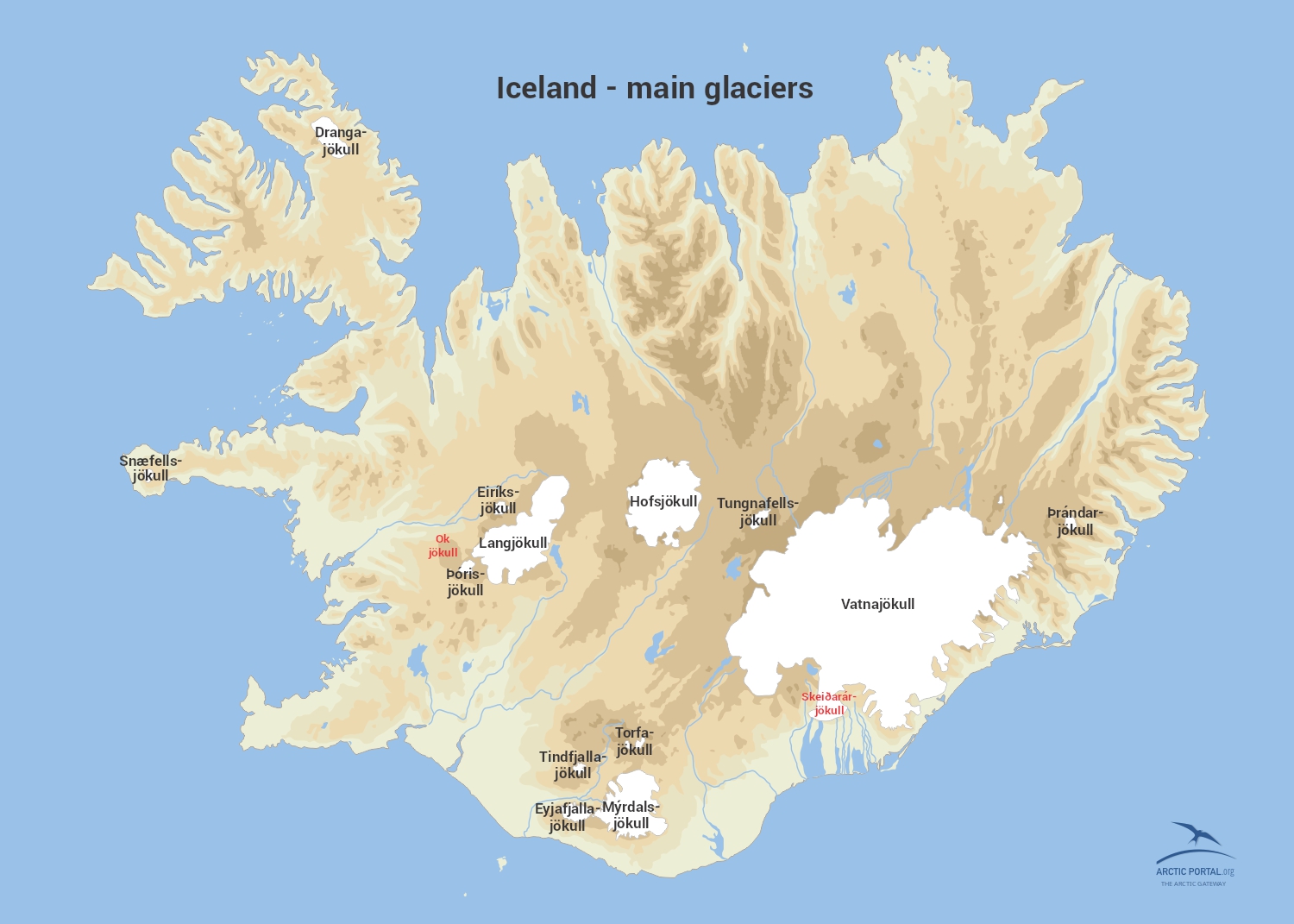
Iceland is home to 269 named glaciers, showcasing nearly every glacial type found worldwide, from massive ice caps to smaller cirque and mountain glaciers. Dominating the southeast of the island is Vatnajökull, the largest ice cap in Europe by volume, covering approximately 7,900 km², an area about three times the size of Luxembourg.

- Details
The Arctic Encounter Symposium (AES), the largest annual Arctic policy and business event in the United States, will return to Anchorage next week from July 30 to August 1, 2025.
- Details
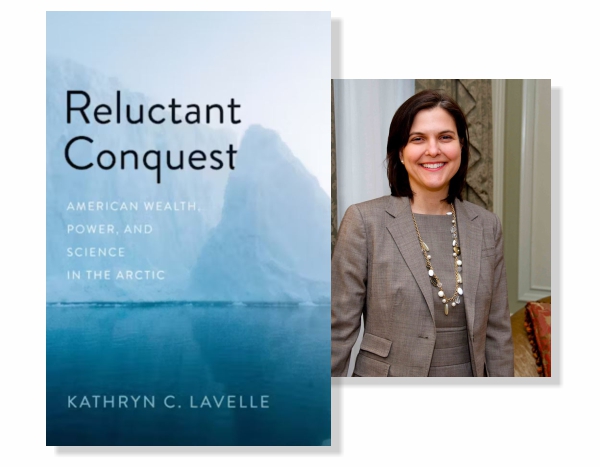
A newly released book, Reluctant Conquest: American Wealth, Power, and Science in the Arctic, by Kathryn C. Lavelle, offers a sweeping history of the United States’ evolving relationship with the Arctic. From the American Revolution through the acquisition of Alaska to the present day, Lavelle traces how economic interests, scientific exploration, and strategic concerns have shaped American engagement in the region.

- Details
July 17, 2025 – Iceland - The ongoing volcanic eruption on the Reykjanes peninsula continues to make its presence felt, not just in the immediate area, but across large parts of Iceland, where air quality has deteriorated significantly in recent days. Towns in the north, including Akureyri, are now experiencing elevated levels of air pollution, though experts remain divided on the exact cause.
- Details
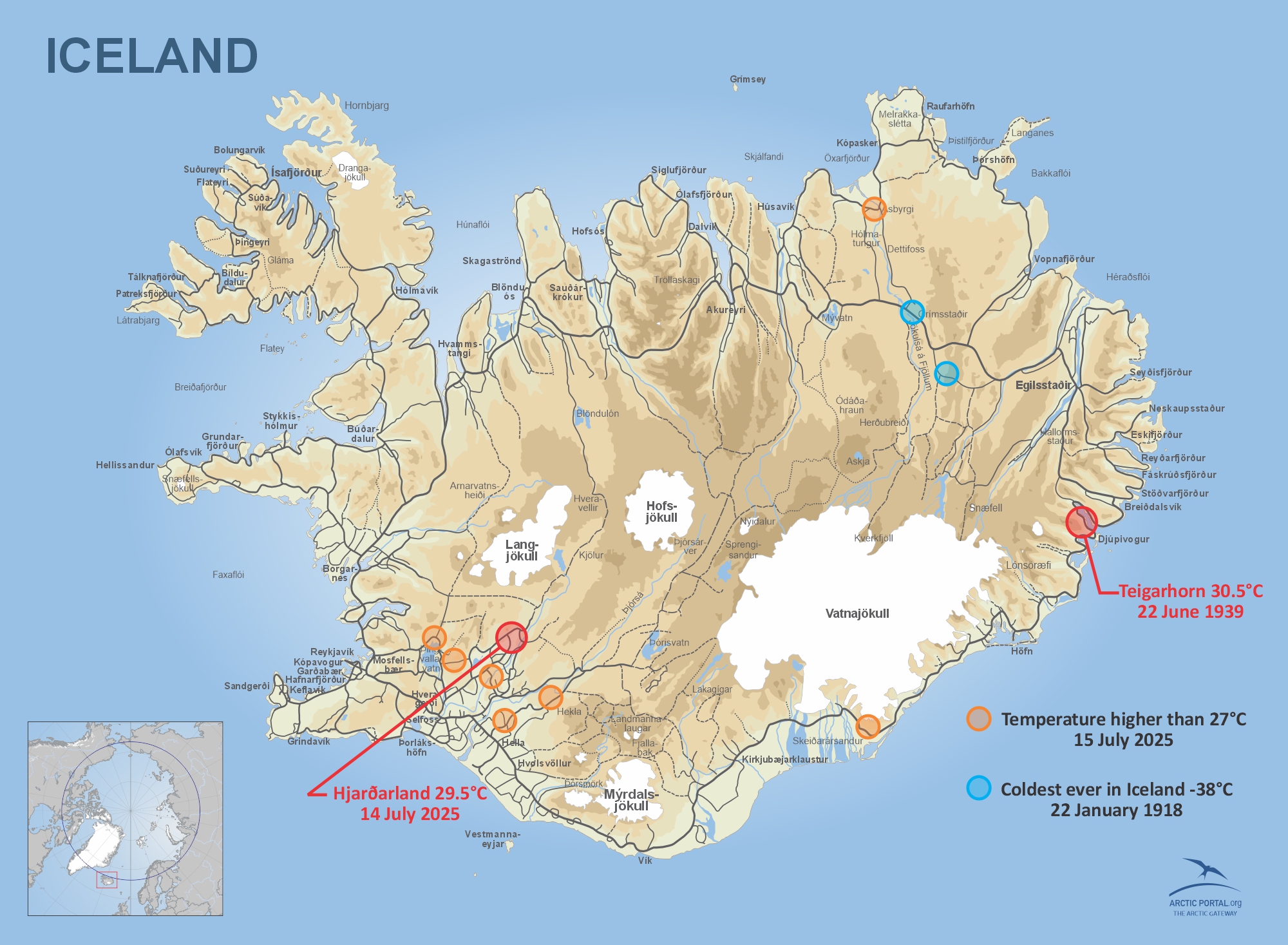
July 2025 has delivered the warmest day of the summer so far in Iceland, with numerous weather stations across the country reporting record-breaking temperatures. In several locations, the new records surpassed previous ones by an astonishing margin, in some cases, over 8°C, a rare and striking leap in meteorological history.
- Details
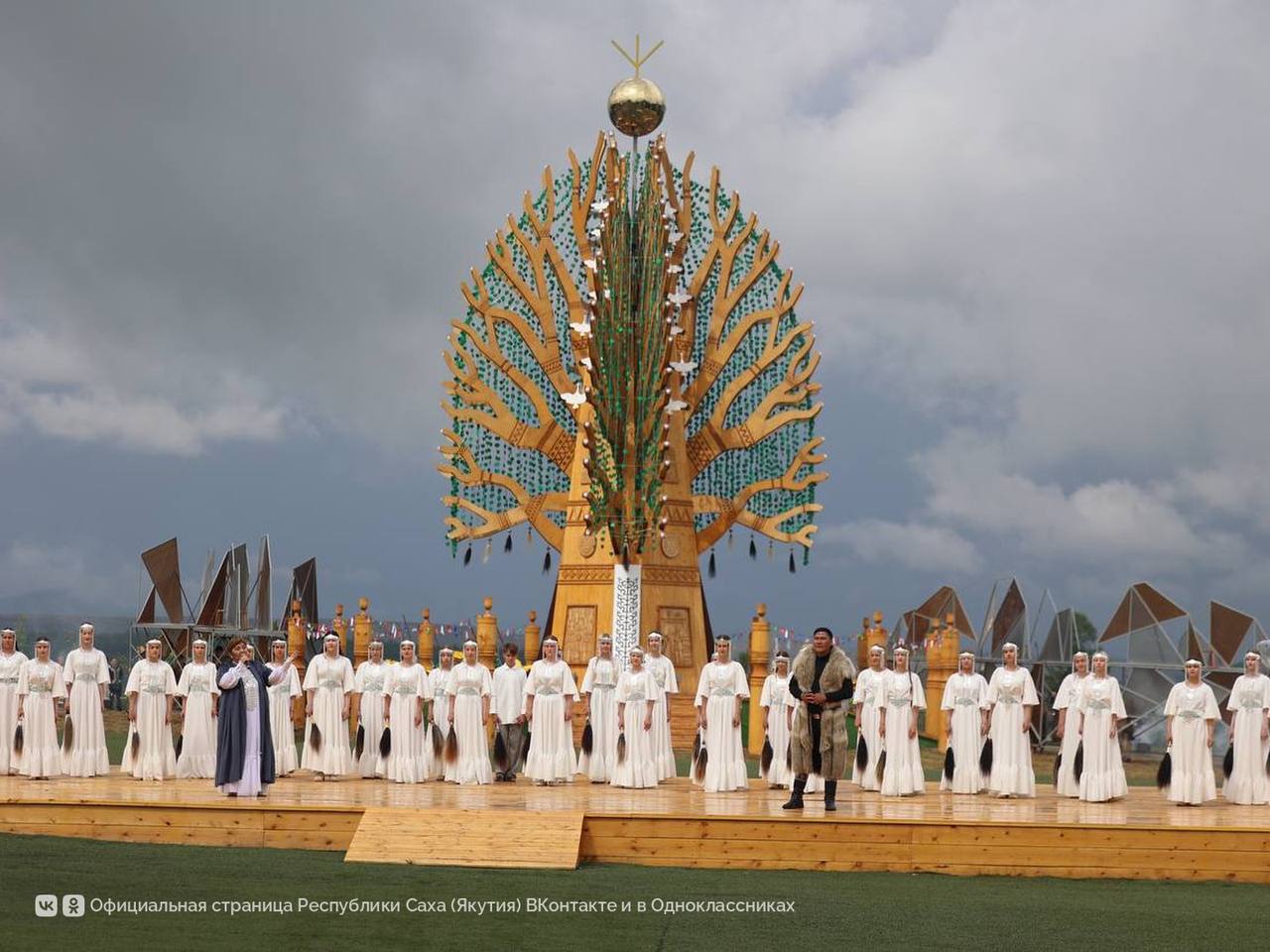
During the vibrant Ysyakh Olonkho festival in Neryungri, Sakha Republic, the Indigenous Peoples of Northern Yakutia captured the hearts of visitors with a moving showcase of cultural richness, ancestral wisdom, and spiritual expression.
- Details
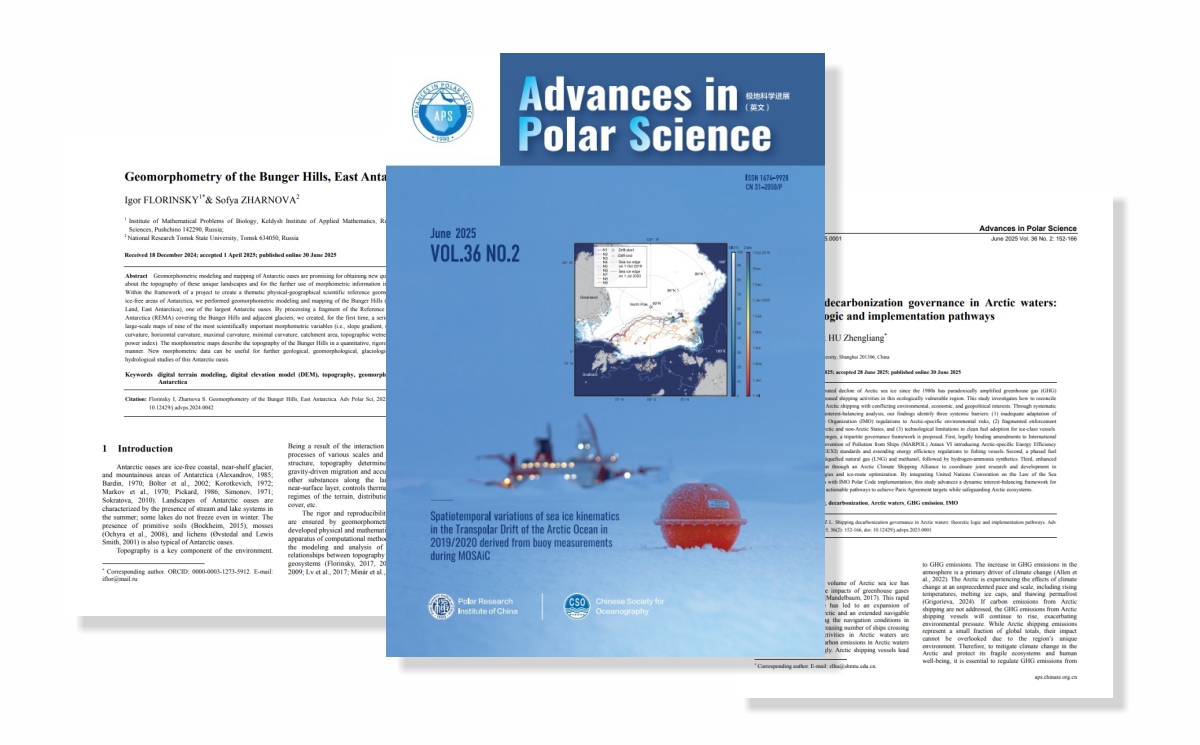
The peer-reviewed, open-access journal Advances in Polar Science (APS) has published Volume 36, Issue 2 (June 2025), featuring a range of cutting-edge studies on polar climate dynamics, ecosystems, seismic activity, governance, and related topics. This issue features six original research papers and an editorial exploring themes with global relevance, from sea ice deformation in the Arctic to decarbonizing shipping in polar waters.
- Details
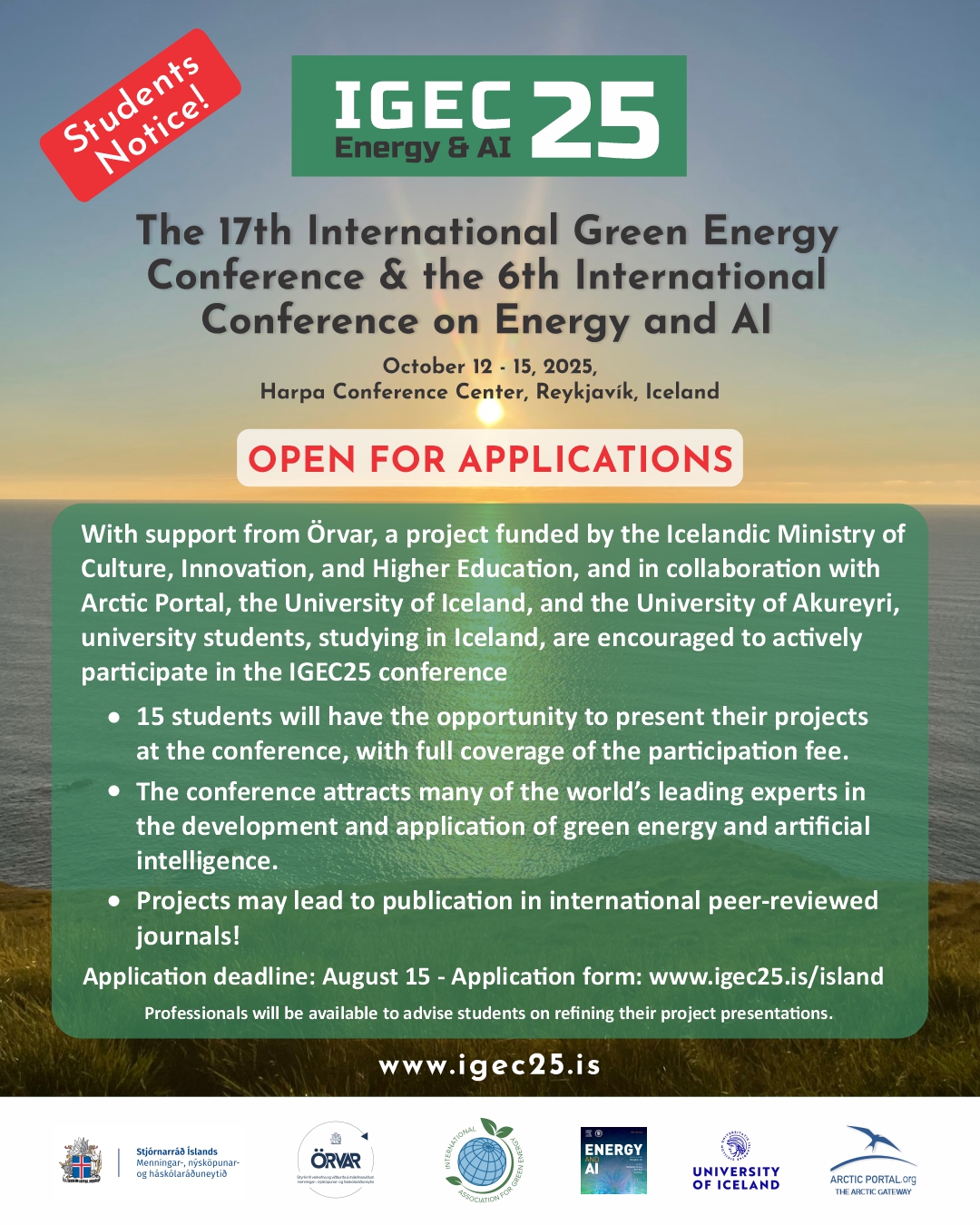
The 17th International Green Energy Conference (IGEC25) focuses on the development of green energy sources and the use of artificial intelligence in energy systems, for the benefit of the environment, people, and businesses.
- Details
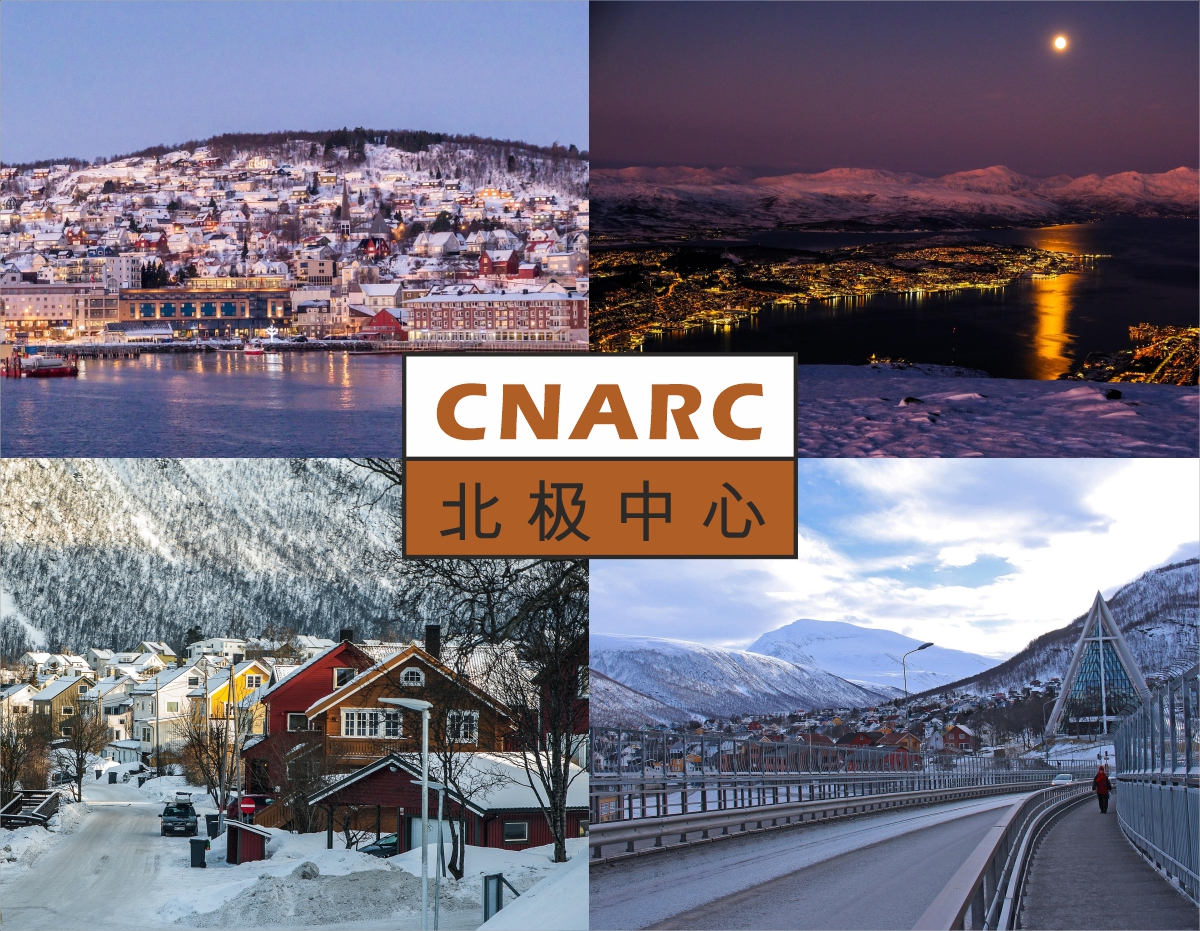
SAVE THE DATE! The 11th China–Nordic Arctic Cooperation (CNARC) Symposium will be held from February 1st to 2nd, 2026, in Tromsø, Norway.

- Details
From 280 to 500 years in just two years, Iceland’s oldest known plant turns out to be a long-living relic of climate history, quietly thriving in the lava fields of the north.
Until recently, the oldest known living plant in Iceland was a humble juniper nestled in the erosion-scarred highlands of Hólasandur, estimated to be about 280 years old. But now, a newly discovered specimen near Lake Mývatn has more than shattered that record, it is believed to be at least 500 years old, potentially even older.