
News
European Act - how will it impact the Arctic?
The European Commission has unveiled RESourceEU, a new action plan designed to strengthen the EU’s access to critical raw materials and reduce strategic dependencies that leave European industry vulnerable to geopolitical tensions and price volatility.
 Building on the Critical Raw Materials Act, the initiative targets materials essential to modern industry, such as rare earth elements, lithium, and cobalt, used in sectors ranging from electric vehicles and renewable energy to defence, aerospace, AI chips, and data centres.
Securing Strategic Supplies for Europe’s Industry
At the heart of the plan is a push to protect European industry from supply shocks while boosting competitiveness and sustainability. In early 2026, the Commission will establish a European Critical Raw Materials Centre to provide market intelligence, coordinate strategic projects, and support joint purchasing and stockpiling. A new Raw Materials Platform will help companies aggregate demand and secure long-term supply agreements, while an EU-wide approach to stockpiling will be tested through a pilot scheme.
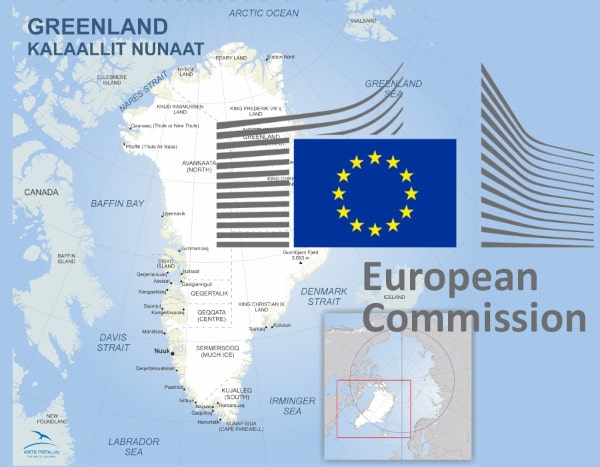
EU Commissioner for International Partnerships, Jozef Síkela announced on the importance of strengthening Europe’s economic security, including supporting mining projects in Greenland:
"RESourceEU will accelerate strategic projects, reduce our dependency on single suppliers, and build a more resilient European supply chain for the critical raw materials our industry and defence depend on. We also decided to provide financial support for concrete initiatives like the Greenland Resources project. It will provide our industry with stable supplies of molybdenum, a mineral essential for advanced steel, clean technologies and many defence applications. With this project, we will develop a fully European supply chain and support industrial development in Greenland. This project can meet all of Europe’s defence needs for molybdenum and around a quarter of our total demand. With processing taking place inside the EU and long-term offtake agreements secured with European companies, it will create a fully European value chain and significantly reinforce our strategic autonomy."
Recycling, Investment and Global Partnerships
RESourceEU also places strong emphasis on recycling and circularity. The Commission plans to restrict exports of permanent magnet scrap and waste, encourage higher recycled content in products, and expand recycling of pre-consumer manufacturing waste. Further measures to support domestic fertilisers and recycled nutrients are expected by mid-2026.
To accelerate supply diversification, the EU will fast-track strategic raw materials projects by cutting red tape and de-risking investment. Up to €3 billion will be mobilised over the next year to support projects capable of reducing EU dependencies by up to 50% by 2029. Priority initiatives already backed include lithium extraction in Germany and molybdenum mining in Greenland.
International cooperation is another pillar of the plan. The EU will deepen partnerships with resource-rich, like-minded countries, expanding on 15 existing strategic partnerships and launching new negotiations with Brazil. Investment frameworks are also being developed with Ukraine, the Western Balkans, and the EU’s Southern Neighbourhood, alongside global initiatives under the G7 and G20.
Announced by Commission President Ursula von der Leyen last autumn, RESourceEU responds to growing concerns over the “weaponisation” of critical raw materials by dominant suppliers. With this plan, the EU aims to secure its industrial future by building resilient, diversified, and sustainable raw material supply chains.
Source: European Commission
The tags below provide an opportunity to view previously posted related news within the selected category