
News
Study Highlights Global Risks Linked to Shifts in Ocean ‘Conveyor Belt’
A new study is drawing attention to the complex and far-reaching implications of changes in one of Earth’s most important climate systems: the Atlantic Meridional Overturning Circulation (AMOC).
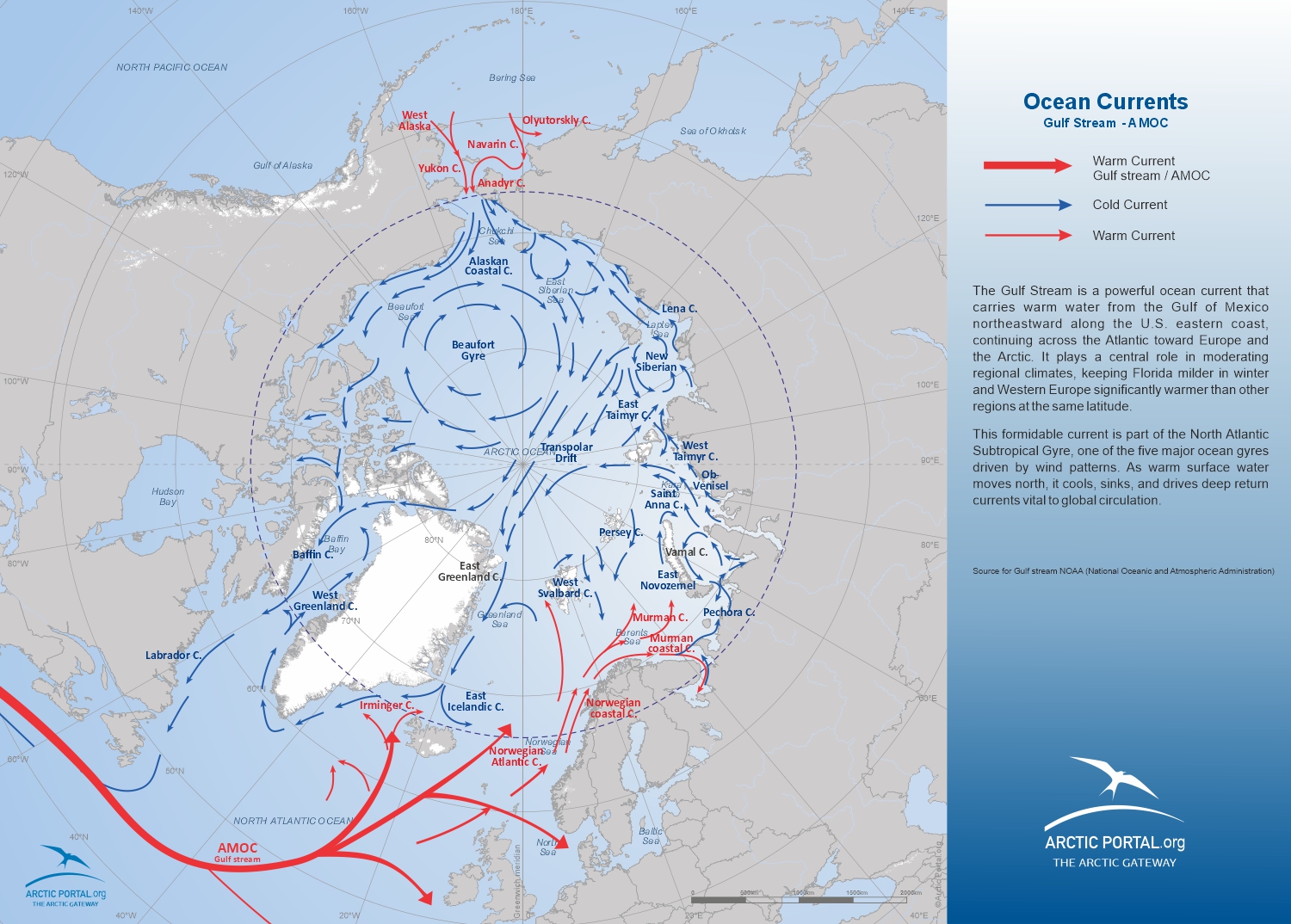 Often described as a vast ocean “conveyor belt,” the AMOC is a system of currents that moves warm surface water from the tropics northward and returns colder, deeper water southward. This continuous loop redistributes heat, salt, and nutrients across the Atlantic and beyond, playing a crucial role in regulating global climate.
The process is driven by differences in temperature and salinity. As warm, salty water travels north, it cools, becomes denser, and sinks into the deep ocean, eventually flowing back south.
This circulation is not an isolated system; it forms part of a broader global network of ocean currents, sometimes referred to as the global ocean conveyor belt, linking oceans around the world into a single interconnected system.
Because of this, changes in the AMOC can have widespread consequences. Scientists warn that a slowdown could reshape climate patterns across multiple regions, including:
- Europe, which benefits from milder temperatures due to heat transported northward
- North America’s east coast, where sea levels could rise
- Africa and South America, where rainfall patterns could shift, increasing the risk of drought
- Monsoon regions in Asia, where weather systems may be disrupted
The AMOC also plays a role in marine ecosystems and the global carbon cycle, helping distribute nutrients and influencing how the ocean absorbs carbon dioxide.
While a complete collapse of the system is not considered imminent, there is growing evidence that it may be weakening. Climate change, particularly the influx of freshwater from melting ice, can interfere with the balance of temperature and salinity that drives the circulation.
The new research suggests that even if certain parts of the system appear stable, this may offer only limited reassurance. Because the AMOC operates as a connected system, changes in one region can still have cascading effects elsewhere.
For countries in the North Atlantic, including Iceland, the implications are particularly significant. The circulation helps moderate regional climate, meaning that shifts in its strength could influence temperature, weather patterns, and marine conditions in the years ahead.
Sources: Visir, University of Iceland, NOAA
The tags below provide an opportunity to view previously posted related news within the selected category