
News
How Many Animals Live in the Ocean? Scientists Say: Far More Than We Think
Covering more than 71% of Earth’s surface, the ocean is the planet’s largest living system. Scientists have already recorded over 200,000 marine species worldwide, yet many more are believed to remain undiscovered.
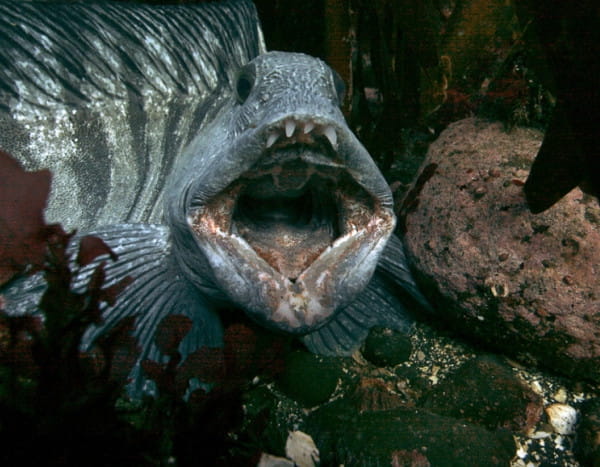 Even in the cold Arctic waters around Iceland, researchers have documented at least 3,500 animal species, a figure that continues to grow.
One reason the ocean still surprises us is simple: counting marine life is hard.
The Arctic Ocean: small in area, huge in influence
At the top of the world, the Arctic marine environment is changing rapidly and monitoring its biodiversity is a priority. The Conservation of Arctic Flora and Fauna (CAFF) framework tracks Arctic marine biodiversity across key ecosystem components, including sea-ice biota, plankton, benthos, marine fishes, seabirds, and marine mammals.
This matters because Arctic marine ecosystems do not just support local food webs; they connect to global ocean circulation, fisheries, and climate systems.
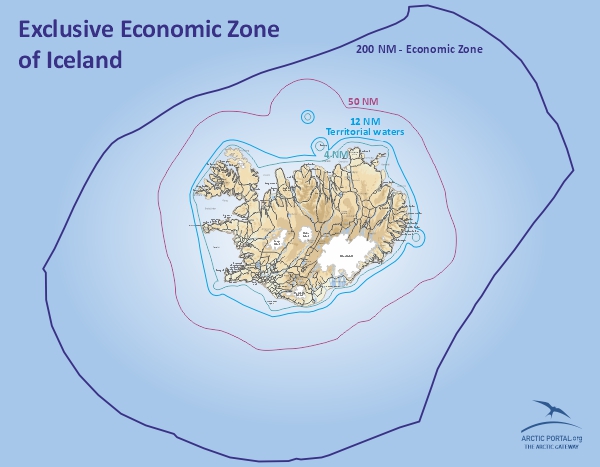 Icelandic waters: where Arctic and Atlantic meet
The ocean surrounding Iceland is one of the most biologically rich marine areas in the North Atlantic and yet, scientists believe we have only begun to understand the true scale of life beneath the surface.
Within Iceland’s Exclusive Economic Zone, around 3,500 animal species have so far been recorded, according to marine biologist Guðmundur Guðmundsson, a taxonomist at the Natural Science Institute of Iceland. But he is quick to add that this figure almost certainly underestimates reality. “I think there are many more,” he says, pointing to large areas of the seafloor and deep ocean that remain poorly explored.
To map that hidden diversity, Icelandic scientists contribute to long-running research such as the BIOICE seafloor invertebrate project, which began in 1992 and continues today, focusing on which non-vertebrate species live on the seabed in Icelandic waters and how they are distributed.
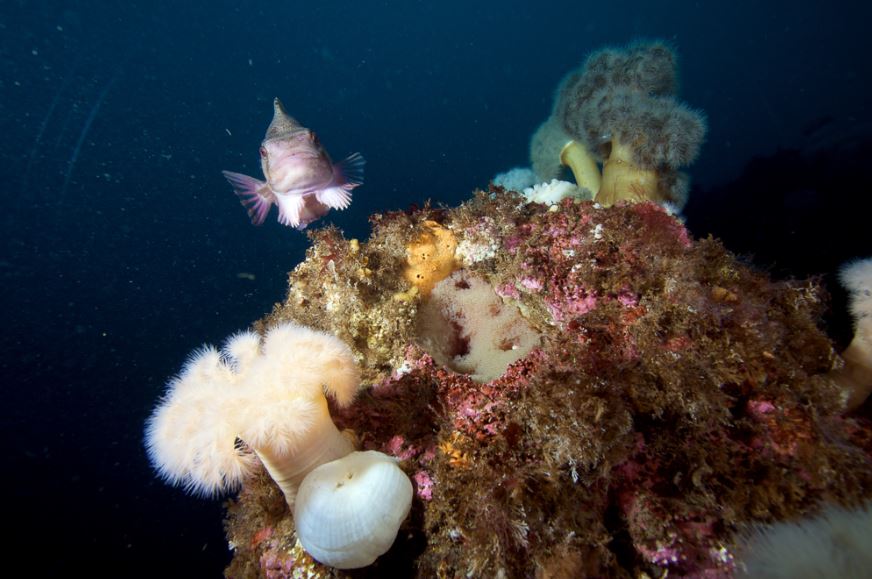 A Sea Teeming With Life
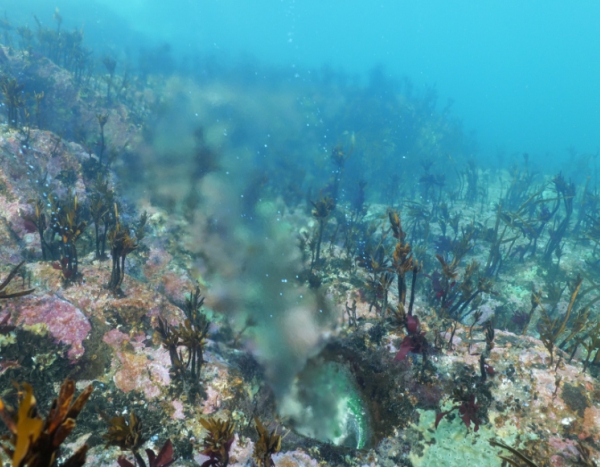
Iceland’s waters sit at the meeting point of cold Arctic currents and warmer Atlantic waters, creating ideal conditions for biodiversity. This unique oceanographic setting supports a wide range of ecosystems, from coastal kelp forests to deep-sea habitats far below the reach of sunlight.
Of the thousands of species documented so far, around 360 are fish species. Surprisingly, however, only 30 to 40 species are commonly used by Icelanders, mainly for fishing and consumption. The vast majority of marine fish species in Icelandic waters remain largely unknown to the public.
Icelandic waters support a remarkable diversity of life, from iconic species such as Atlantic cod, humpback whales and puffins to lesser-known but ecologically vital organisms, including cold-water corals, deep-sea sponges, and microscopic plankton. While only a small number of fish species are commercially harvested, hundreds more, along with thousands of invertebrate species, form the backbone of Iceland’s marine ecosystems.
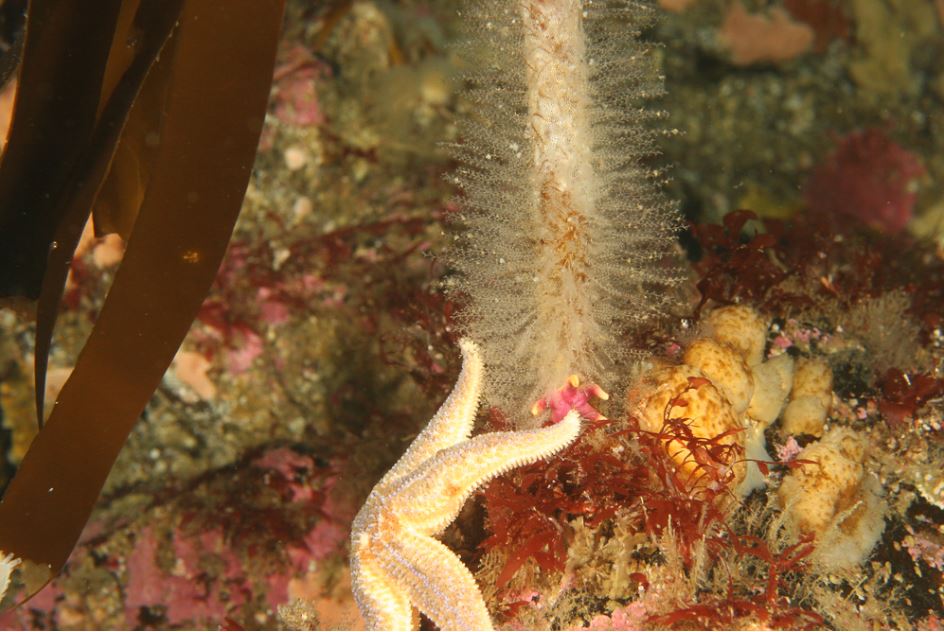 More Than Just Fish
Beyond fish, most of Iceland’s marine biodiversity is found among invertebrates, animals living on and in the seafloor, from crustaceans and molluscs to worms, corals, and sponges.
The Natural Science Institute of Iceland highlights long-running efforts to map this hidden diversity, including the BIOICE project, which surveys non-vertebrate species on the seafloor inside Icelandic waters and tracks their distribution and abundance through international taxonomic collaboration.
Globally, scientists have described roughly one million animal species, including over 170,000 marine animal species, but broader estimates suggest Earth may host around 7.7 million animal species in total, of which about 2.1 million could be marine. In other words, oceans may contain a vast number of species still unknown to science, even though marine animals span almost all major animal groups.
 Why It Matters
Understanding how many species live in Iceland’s seas is not just a matter of curiosity. Biodiversity is a key indicator of ocean health and resilience, particularly in the face of climate change, ocean warming, and human activity.
“Each species plays a role,” researchers note. “The more diverse an ecosystem is, the better equipped it is to adapt to change.”
As interest in the Arctic grows and pressures on marine environments increase, documenting and protecting this hidden wealth of life becomes ever more important.
The sea around Iceland may look cold and empty from the surface, but beneath the waves, it is anything but.
Source: Náttúrufræðistofnun Íslands, Ocean Biodiversity Information System (OBIS), mbl.is, CAFF, Strýtan Dive Center, Sea-Iceland
Photos: Erlendur Bogason (Strýtan Dive Center)
Map of Iceland: ArcticPortal.org
Examples of Marine Species Found in Icelandic Waters
Fish
Icelandic waters are home to hundreds of fish species, from commercially important stocks to species adapted to life in the deep sea.
- Atlantic cod (Gadus morhua)
- Haddock (Melanogrammus aeglefinus)
- Atlantic halibut (Hippoglossus hippoglossus)
- Capelin (Mallotus villosus)
- Redfish (Sebastes marinus)
- Greenland shark (Somniosus microcephalus)
- Atlantic wolffish (Anarhichas lupus)
Marine Mammals
Cold, nutrient-rich waters support a wide range of marine mammals.
- Minke whale (Balaenoptera acutorostrata)
- Humpback whale (Megaptera novaeangliae)
- Blue whale (Balaenoptera musculus)
- Harbour porpoise (Phocoena phocoena)
- Grey seal (Halichoerus grypus)
- Harbour seal (Phoca vitulina)
Invertebrates
The majority of Iceland’s marine biodiversity consists of invertebrates, many of which live on the seafloor.
- Northern shrimp (Pandalus borealis)
- Iceland scallop (Chlamys islandica)
- Green sea urchin (Strongylocentrotus droebachiensis)
- Cold-water corals (e.g. Lophelia pertusa)
- Sea stars (Asterias rubens)
- Deep-sea sponges (various species)
Plankton (the foundation of the ecosystem)
Although tiny, plankton are essential to life in the sea.
- Copepods (e.g. Calanus finmarchicus)
- Krill (Euphausiacea)
- Phytoplankton (microscopic algae)
The tags below provide an opportunity to view previously posted related news within the selected category