
- Details
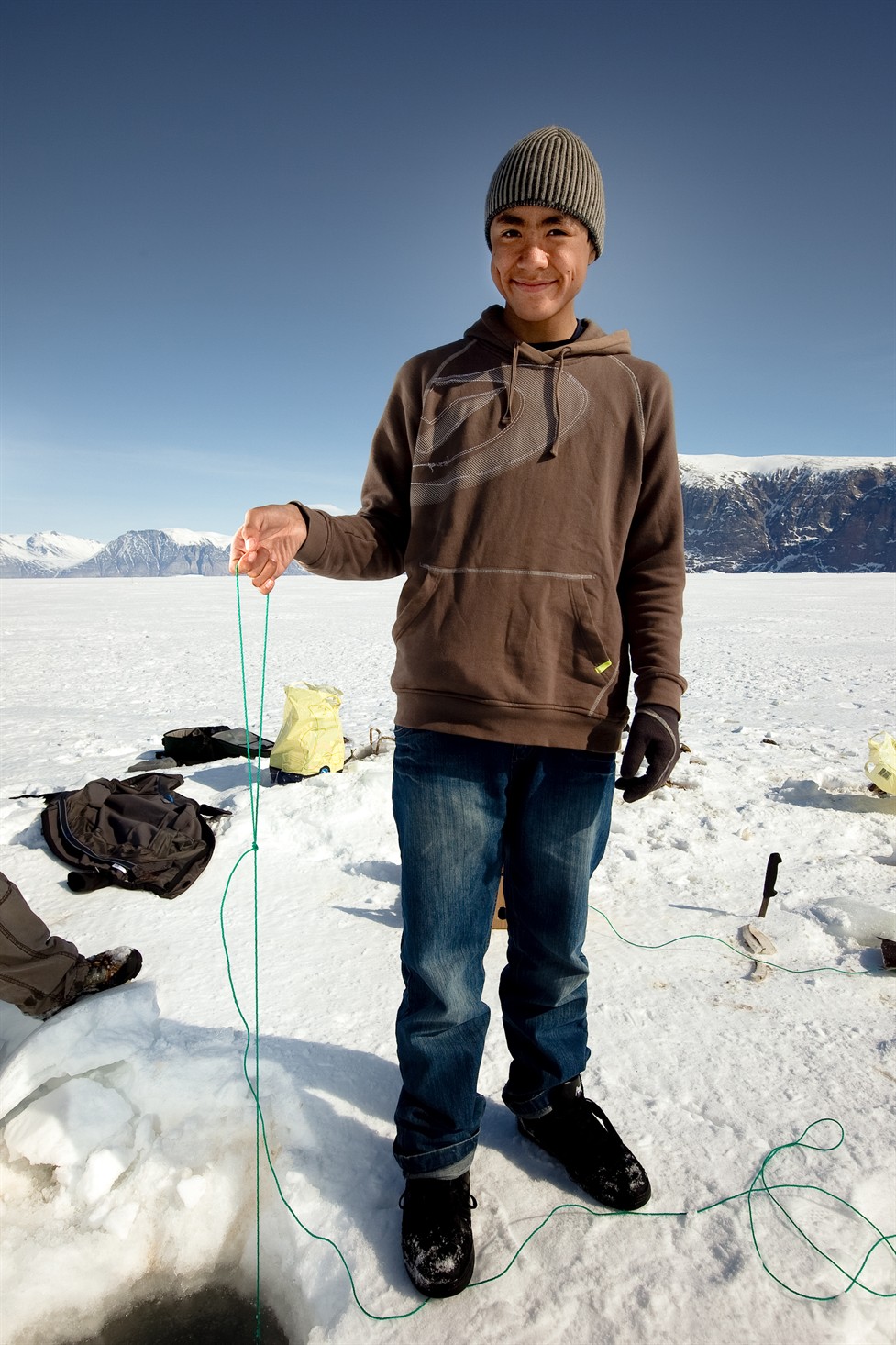
The civilizations of northern Europe commercialized fishing, taking cod and herring in the seas off Norway and European Russia. During the past and recent years the Arctic and the Sub-Arctic was and will be a valuable food production area and has supplied over the years valuable nutrition for the south.

- Details
Five species fill up just over 50 percent of the fisheries in the northwest Atlantic Ocean.
- Details
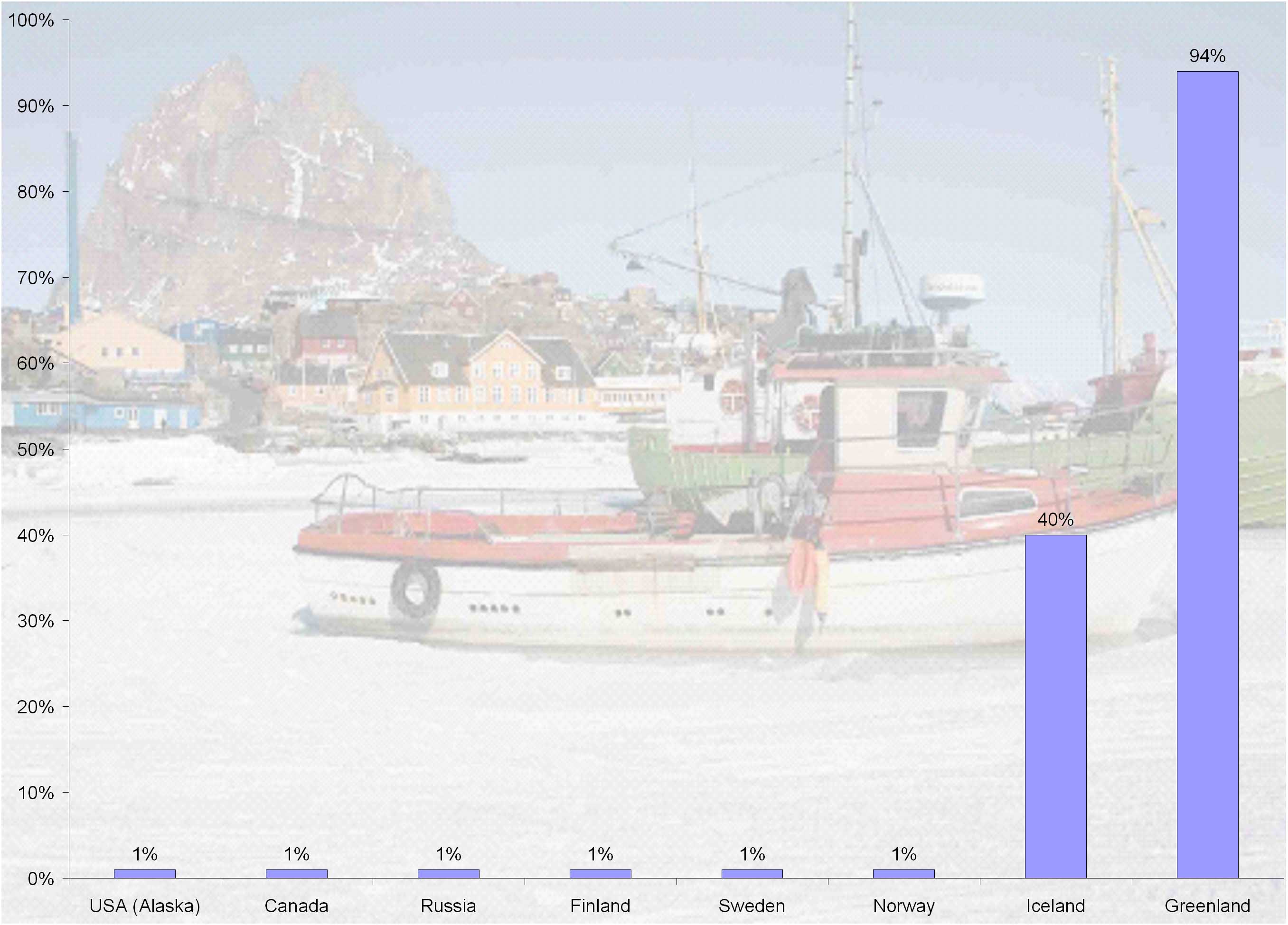
Fishing is the most important economy in Greenland, and a huge factor in Iceland.

- Details
Here is a graph that shows how much six Arctic states caught. The numbers do not include whaling, but the numbers are in tons.

- Details
Environmental study of proposed oil drilling near Jan Mayen will proceed in the near future, despite strong opposition of environmentalist, according to Reuters.
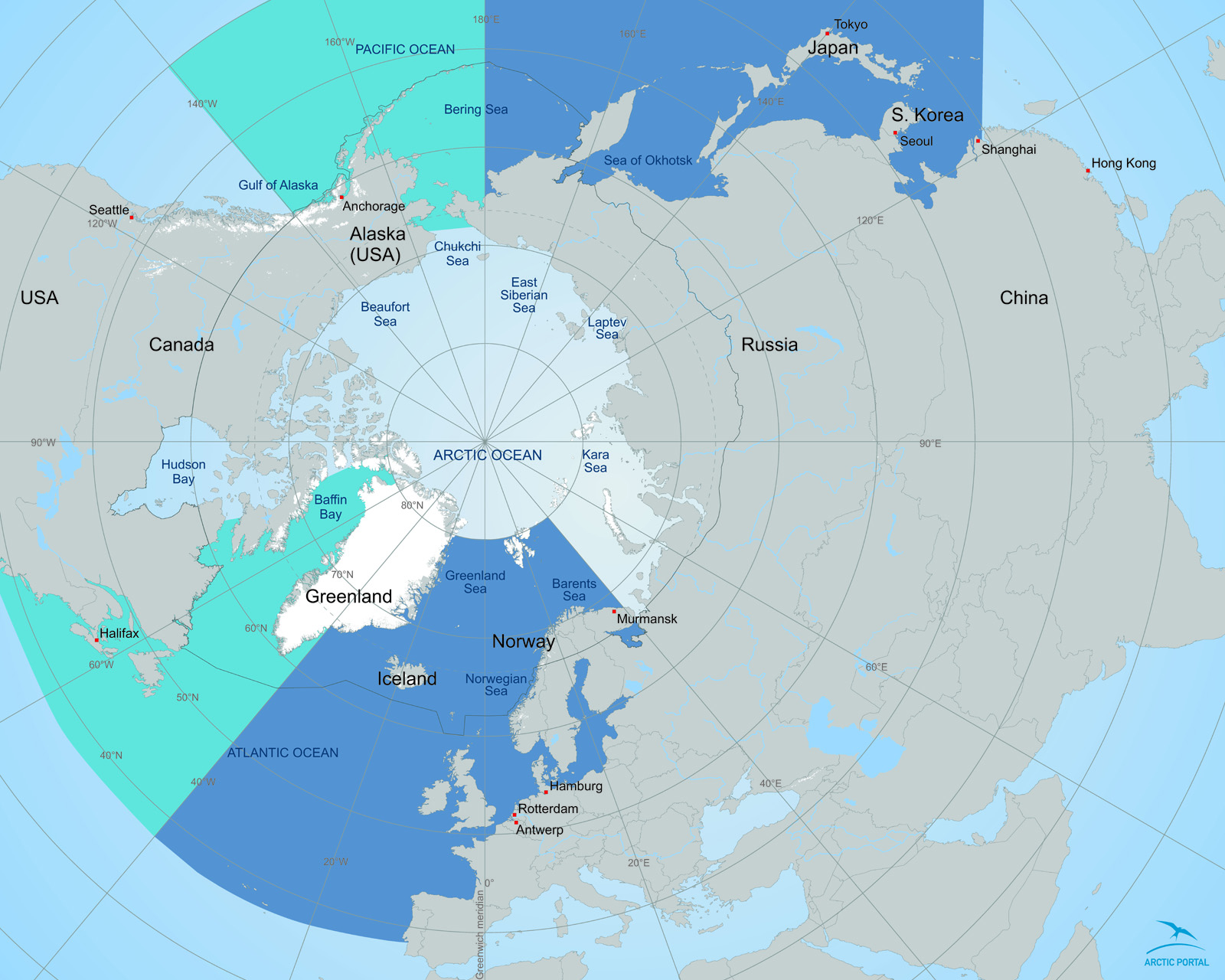
Jan Mayen is a Norwegian archipelago north of Iceland. The Map shows the EEZ around Jan Mayen, which Norway is entitled to.
- Details
The eight Arctic states all catch fish. The species and quantity naturally varies between them.

- Details
The first graph shows the Atlantic Ocean. The blue colour is the northwest and the orange for northeast.
- Details
It is assumed from the existence of Stone Age rock carvings of whales that Neolithic folk knew of them, though it is not clear if their knowledge was from animals washed up or stranded on beaches, or weather they hunted whales, using boats to drive them to shore for killing. That technique, still used in the Faroe Islands today, was certainly in use in the 9th century Norway.

- Details
The Canadian government has slashed its funding to the University of the Arctic from 710.000 to 150.000. Subsequently Canada will lose the office it hosted at the University of Saskatchewan, which was staffed by UArctic’s dean of undergraduate studies, Hayley Hesseln.

- Details
ESA’s ice satellite is collecting data in the two poles, and the project is going well. The satellite is to give precise measurements of the vast ice sheets that blanket Greenland and Antarctica.

- Details
In the southern part of the Arctic the dream of oil is still alive. Iceland is hoping to find oil in the Dreki area but the crisis hit country could benefit by other means.

- Details
Blocks of sea ice break annually from large ice caps in the Arctic. These blocks of ice can be up to kilometers in width.