

- Details
Ólafur Ragnar Grímsson, the President of Iceland, is in Antarctica with Al Gore and a host of scientists. The exploration also includes director James Cameron and billionaires Richard Branson and Ted Turner.
- Details
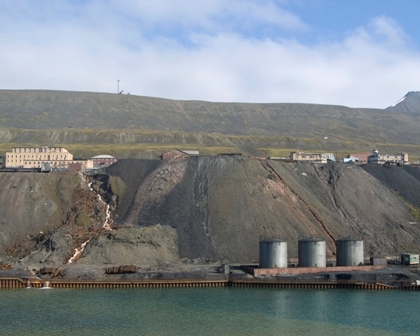
Russia will increase its coal production significantly over the next years. Russia produces around 330 million tons of coal each year but it will be increased to 440 million tons.
- Details
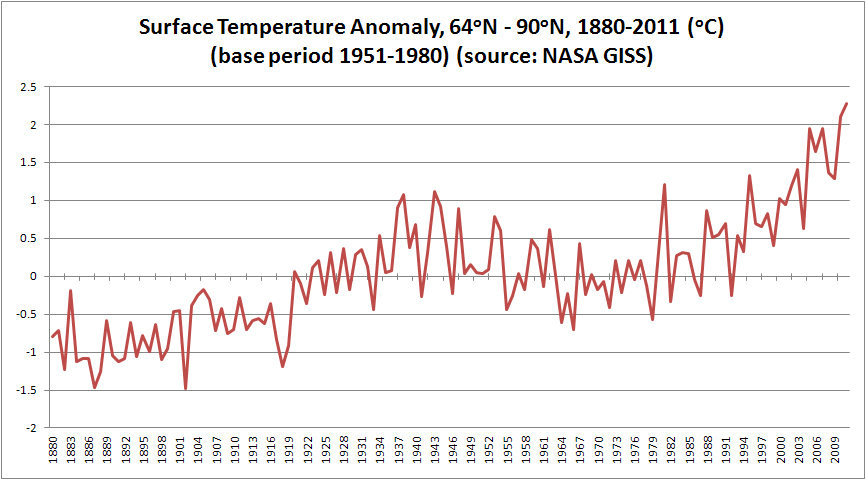
The year 2011 was another heat record in the Arctic. Climate change is therefore in no way retreating.
- Details
Statoil in Norway, owned at 70% by the state, has bought searching permissions in Greenland. This strengthens the status of Statoil around Greenland.

- Details
Scientists have found an enormous dome in the western Arctic Ocean, full of fresh water. The bulge is thought to be around 8000 cubic meters in size and has risen about 15cm in 10 years.

- Details
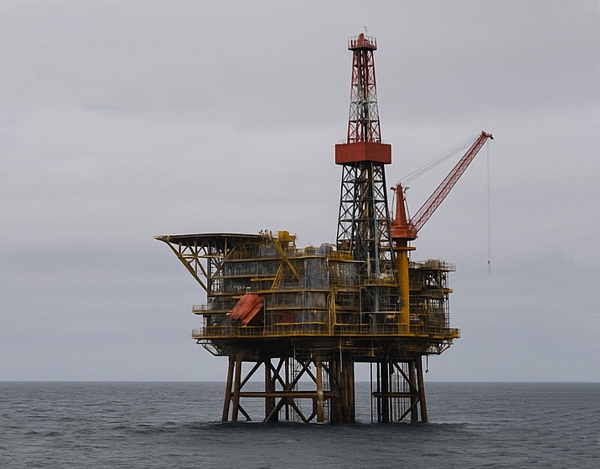
Over 70 oil rigs are being built around the world to meet growing demand. Many of them are custom made for the Arctic, specially made to cope with harsh conditions and deep waters.
- Details
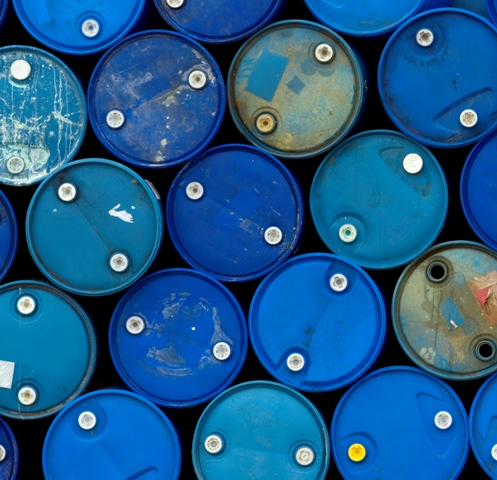
Oil production in Russia last year set a new record for post-soviet times. A total of 511 million tons were produced in 2011.
- Details
The 2012 Arctic Frontiers conference starts in Tromsø on the 22nd of January and runs until the 27th. The conference will be broadcast live online.

- Details
Warmer climate, spurred by climate change, can cause colder winters. This is the result of a new study by Jodah Cohen, released this week.
- Details
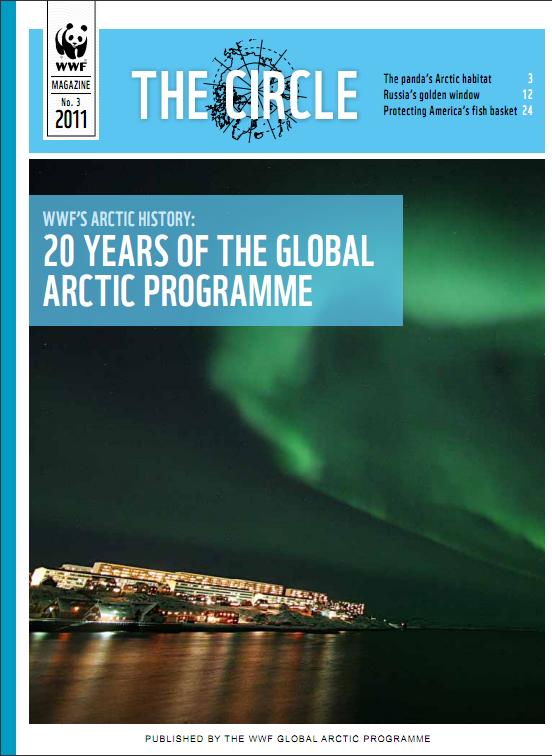
The WWF's Global Arctic Programme celebrates this year its 20th anniversary of the creation of a WWF body to champion conservation in the Arctic.

- Details
A new time lapse vide footage shows the Columbia glacier in Alaska diminishing fast in only four years.

- Details
Three polar bears were shot in Kulusuk, Greenland, yesterday. They drifted with sea ice to the town and were in search for food.