

- Details
On Saturday evening, 14th of July, the Shell´s drilling vessel, Noble Discoverer dragged anchor in a stiff breeze and the stern of the ship bumped into the beach in front of Dutch Harbor´s Grand Aleutian Hotel. It was stuck for an hour until pulled free by the American tugboat.
- Details
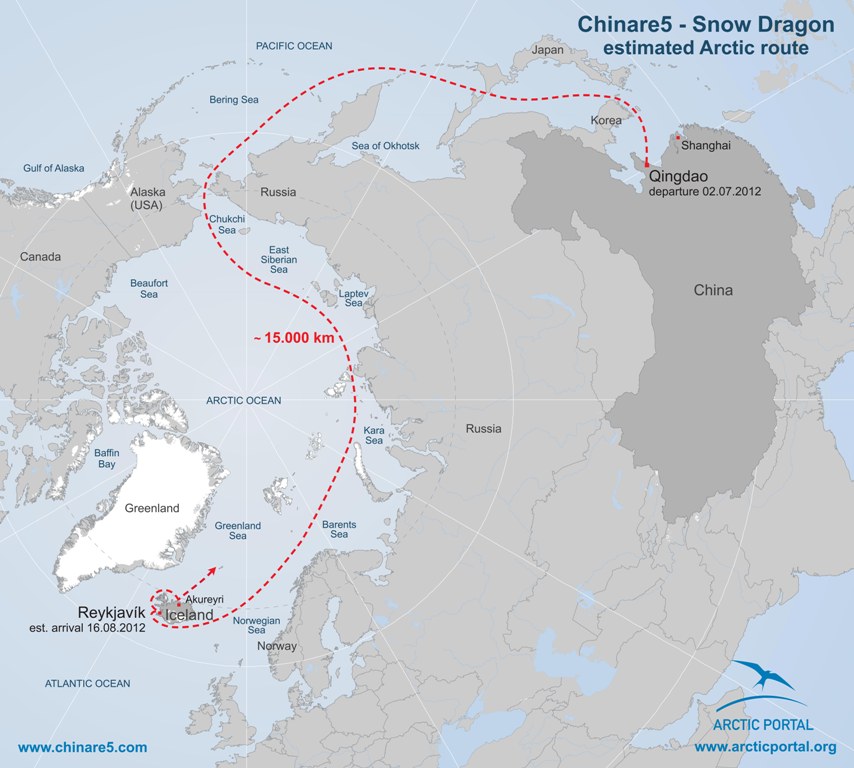
China´s fifth Arctic expedition is en route to the Arctic. The Snow Dragon, Xuelong, left Qingdao in China on the 2nd of July.
- Details
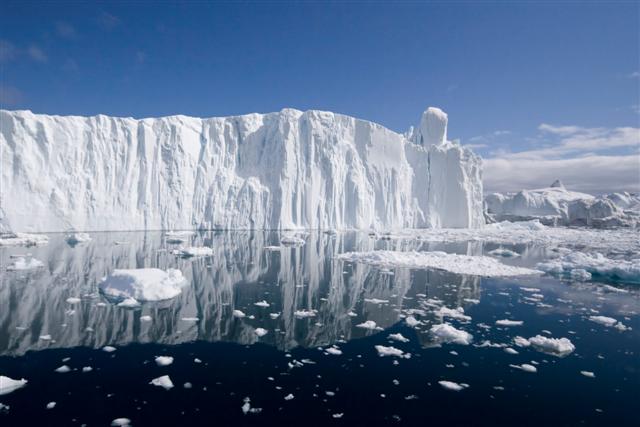
The European Commission and the EU High Representative for Foreign Affairs and Security Policy have today outlined the way forward for the EU's constructive engagement in the Arctic.
- Details
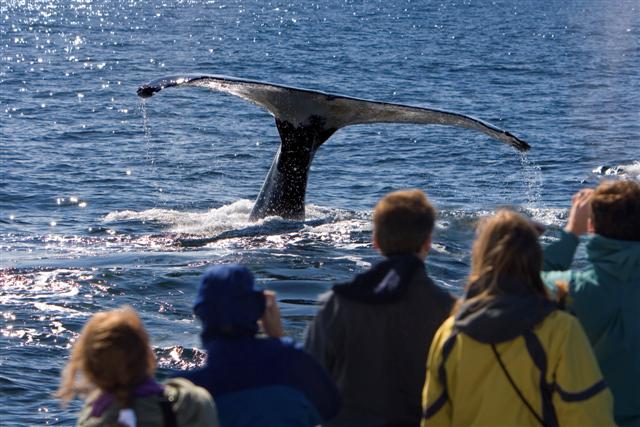
A proposal to declare a whale sanctuary in the South Atlantic Ocean has been declined at the International Whaling Commission (IWC) annual meeting.

- Details
Greenland seeks more quotas for whale hunting in the next five-yearly quotas. An agreement with the International Whaling Commission (IWC) will be discussed soon.
- Details
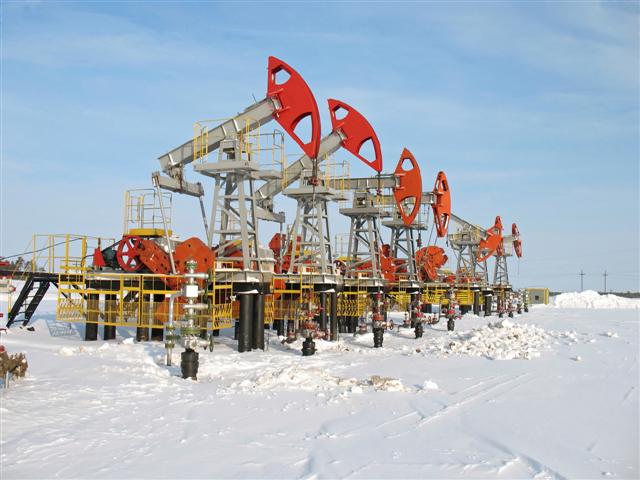
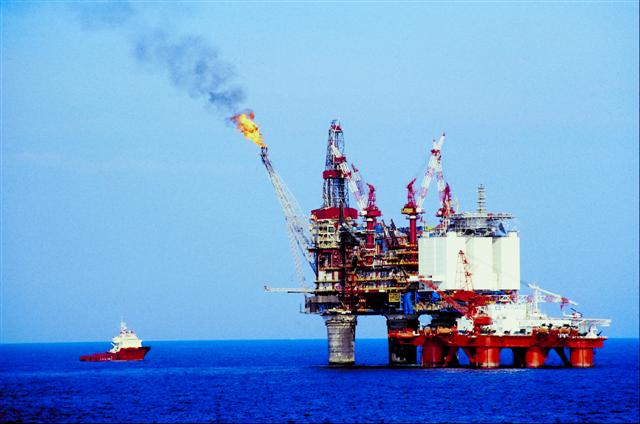
Norway is taking deep sea drilling a step further. The country is ready to take its drills as close to the North Pole as it possibly can, near the 84th latitude.

- Details
The PAGE21 permafrost project has set up an interesting feature on its website. It is a live blog from research fields in the Arctic.

- Details
Computer giant Google has launched a project to preserve over 3000 dying languages. The Endangered Languages Project is backed by a coalition of international scholars and linguists.
- Details
Environmental activists Greenpeace have launched a campaign aimed to "save the Arctic. "Greenpeace is campaigning for the United Nations to declare the Arctic ocean a sanctuary, much like the Antarctic.
- Details
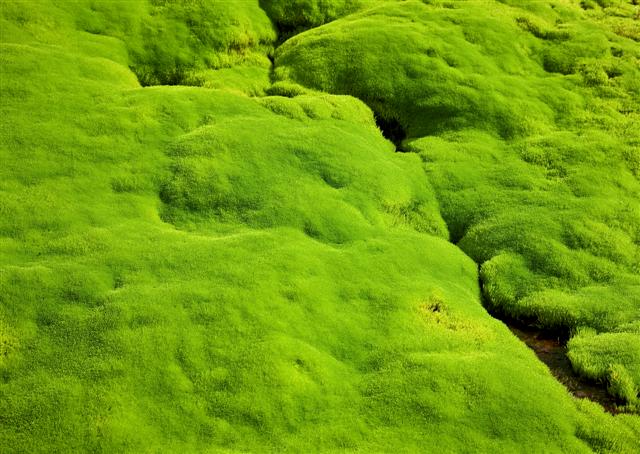
Debates on a new agreement in the Rio+20 conference continue. Negotiators have agreed a text to be approved this week "to put society on a more sustainable path".
- Details
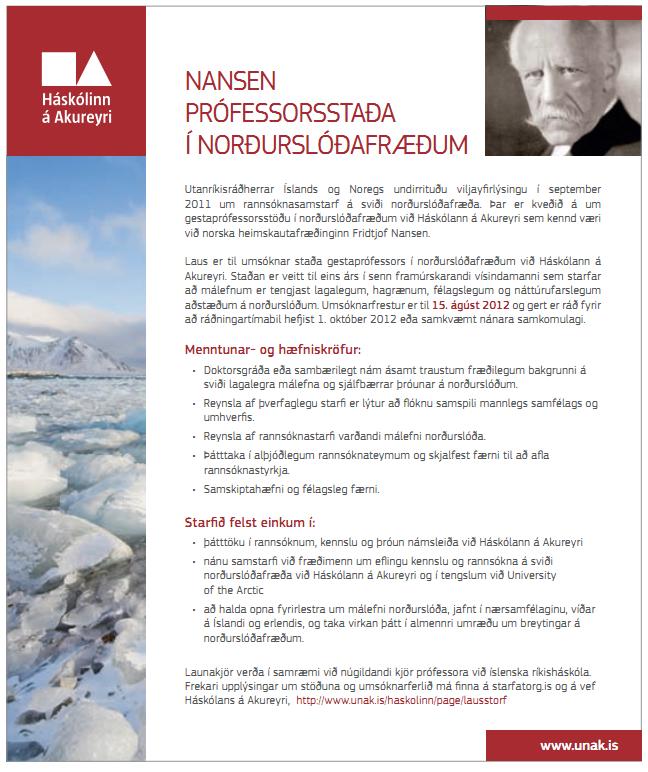
The University of Akureyri has advertised a new guest professor position according a memorandum of understanding signed last year.

- Details
The United Nations Conference on Sustainable Development, also known as Rio 2012 or Rio+20, will start next week.