
News
Iceland Advises Lower Cod, Haddock and Saithe Catches for 2026/27, but Raises Capelin Forecast
Iceland's Marine and Freshwater Research Institute (MFRI) has recommended reduced catch limits for several of the country's most important commercial fish stocks in the 2026/2027 fishing year, while significantly increasing its advice for capelin following a stronger-than-expected recovery of the stock.
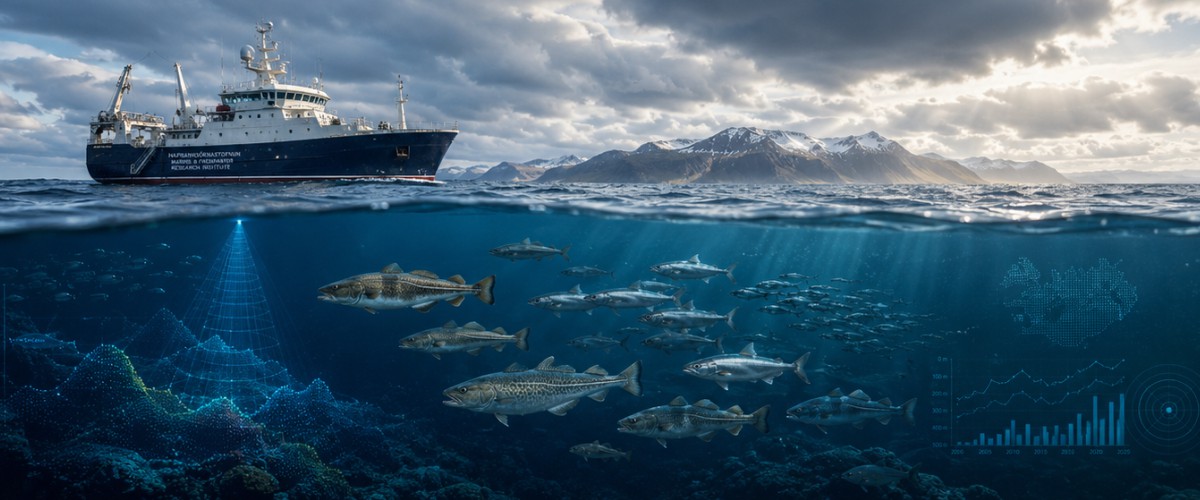
The institute presented its annual fisheries advice on Friday, proposing a 1% reduction in cod catches, a 20% cut in haddock catches and a 16% reduction in saithe catches (coalfish). Advice for Icelandic summer-spawning herring was also lowered by 22% compared with the previous season.
According to MFRI scientists, the recommended total allowable catch (TAC) for cod is unlikely to increase over the next two to three years. The outlook is constrained by weak year classes from 2021 and 2022, as well as slower growth among preceding year classes, limiting the stock's potential expansion.
The news is considerably more positive for capelin, one of Iceland's most economically significant pelagic species. Earlier this year, prospects for the capelin season appeared bleak, but extensive surveys revealed a much larger stock than initially expected. As a result, the capelin quota for the current season was increased nearly fivefold to around 197,000 tonnes.
Building on those findings, MFRI has now increased its capelin catch advice by 81% for the upcoming fishing year. The institute noted, however, that the recommendation remains subject to revision following the autumn capelin survey, which will provide updated information on stock size and distribution.
The annual fisheries advice forms the scientific basis for Iceland's quota decisions and is intended to support the sustainable management of the country's marine resources. MFRI's recommendations are based on stock assessments and internationally recognized fisheries management principles.
The role of MFRI
The Marine and Freshwater Research Institute (MFRI), known in Icelandic as Hafrannsóknastofnun, is Iceland's leading scientific authority on marine and freshwater ecosystems. The institute conducts extensive research on fish stocks, ocean conditions, biodiversity and aquatic habitats, providing independent scientific advice that forms the basis of the country's fisheries management system. Through regular monitoring and an ecosystem-based approach, MFRI helps ensure that fish stocks are harvested sustainably, protecting marine biodiversity while supporting the long-term viability of Iceland's fishing industry and coastal communities.
The tags below provide an opportunity to view previously posted related news within the selected category