
News
Iceland Marks 30 Years of Icelandic Language Day
On 16 November, Iceland celebrates its national language and the legacy of Jónas Hallgrímsson, the poet and naturalist whose work helped shape its development. This year marks three decades since the first celebration in 1996.
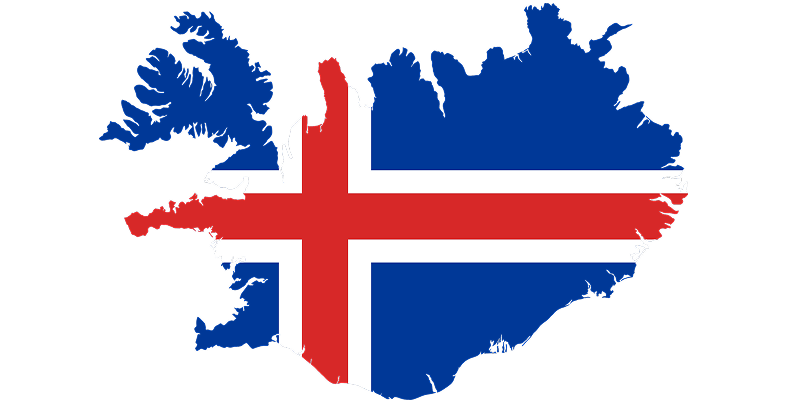
Today, 16 November 2026, Iceland celebrates the 30th anniversary of Icelandic Language Day, known as Dagur íslenskrar tungu. The annual occasion brings attention to the country's linguistic heritage and the role Icelandic continues to play in its cultural identity, from literature and education to everyday communication.
The celebration also honours Jónas Hallgrímsson (1807–1845), one of Iceland's most influential literary figures, whose birthday was chosen as the date for the event. Through his poetry, scientific research and creation of new words, Hallgrímsson contributed to the development of Icelandic at a time when new knowledge required new ways of expressing ideas.
How Icelandic Language Day Began
Icelandic Language Day began with a proposal made in autumn 1995 by Björn Bjarnason, then Minister of Education, Science and Culture, to give the language its own annual celebration. The government took up the idea as a way to draw attention to the place Icelandic holds in the country’s identity and encourage people to preserve and use it.
The proposal became a reality in 1996, when cultural organisations and public institutions organised events for the first Icelandic Language Day. During the official ceremony, the government also presented the Jónas Hallgrímsson Prize for the first time, recognising contributions to the language and establishing a tradition that continues as part of the annual celebrations.
Today, the prize sits alongside other honours and cultural activities marking the occasion, while the day’s designation as one of Iceland’s official flag days reflects its place in the country’s national life.
Jónas Hallgrímsson: The Poet Who Gave New Words to Icelandic
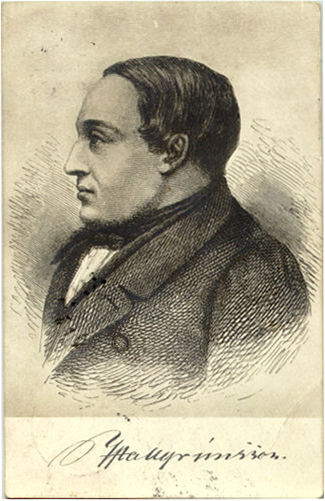
Portrait of Jónas Hallgrímsson (1807–1845), Icelandic poet and naturalist , wikimedia
The choice of Hallgrímsson's birthday reflects a legacy that extends well beyond poetry. Born in 1807, he was among the educated intellectuals of his time, pursuing studies in theology and law before completing his education in natural sciences at the University of Copenhagen.
His scientific interests took him on research journeys across Iceland, where he studied the natural environment and recorded his observations in diaries and reports. At the same time, he remained active in literature, contributing to the journal Fjölnir, writing poetry and stories, and translating foreign works into Icelandic.
These two areas of interest came together in one of his most important contributions to the language: the creation of new Icelandic words. As scientific knowledge expanded, Hallgrímsson developed terms for concepts that previously had no direct equivalent in Icelandic, drawing on the language's existing vocabulary and structure.
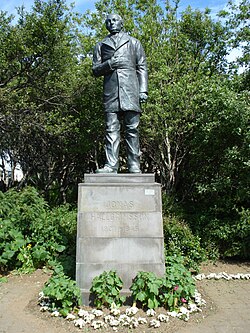
Photograph of the monument dedicated to the poet Jónas Hallgrímsson in Reykjavík. wikimedia
His approach allowed new ideas to become part of Icelandic without losing their connection to its linguistic traditions. As linguist Guðrún Kvaran explained in a 2007 article, many of his newly created words and expressions sounded so familiar that they appeared to belong naturally to the language's established vocabulary.
Celebrating a Language Across Generations
Thirty years after its introduction, Dagur íslenskrar tungu continues to bring together the past and present of Icelandic culture and through public recognition and cultural events, it celebrates the people who contribute to the language while encouraging its use and development for future generations.
The occasion also reflects a broader issue across the Nordic and Arctic regions, where languages play an important role in preserving cultural traditions, local knowledge and community identity. Their continued use allows these connections to be passed on while adapting to the needs of contemporary society.
The goal of the day of the Icelandic tongue is to remind us of the importance of Icelandic language and to rejoice and celebrate its history, present and future.
Source: Government of Iceland – Icelandic Language Day, Vísindavefurinn – Guðrún Kvaran (2007)
The tags below provide an opportunity to view previously posted related news within the selected category