
News
Longyearbyen on Svalbard without drinkable tap water
The tap water in the town of Longyearbyen on the Svalbard archipelago is not drinkable because it contains dangerous levels of metals released into the lake the town takes its water supply from, due to thawing permafrost. The issue has been going on for years, but it has recently gotten worse.
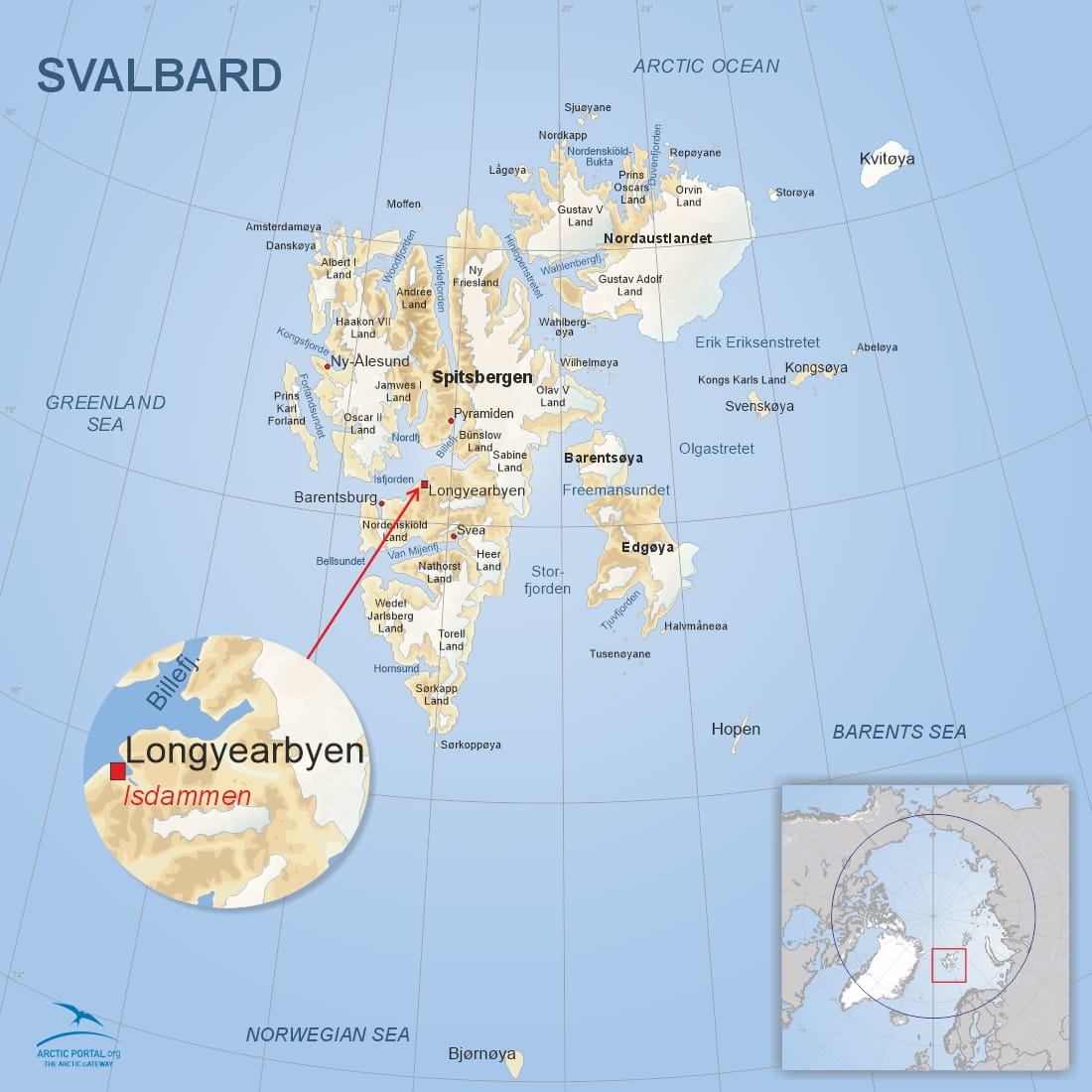
The Svalbard archipelago lies far north of the Arctic Circle, and the town of Longyearbyen, considered one of the world’s most northernmost settlements, is home to about 2800 people. For years, drinking water in Longyearbyen has been an issue. As permafrost thaws due to climate change, it exposes bedrock that releases dangerous heavy metals into the water of the lake Isdammen, from which the town takes its water supply.
The main danger for the past year has been manganese, whose levels have fluctuated over the years and spiked a year ago, leading authorities to recommend that residents not drink tap water at all. Earlier this year, sulphate and nickel levels have also been elevated, and the ban remains in place.
The town residents have drinking water thanks to the Svalbard Brewery, which has a purification system in place and allows people to fill their cans for free. A larger purification system is in the works, but it will take time and investment – a new purification plant might have to be built, the decision about which is supposed to come in October.
The thawing of permafrost has led to more problems than just water becoming toxic. As it thaws, landslides occur and foundations become unstable. Longyearbyen, a former mining town which now houses research institutes and tourist hotels, has to face many issues at once.
What is manganese and why is it harmful?
Manganese is a metal that occurs in a significant number of deposits in the Earth’s crust, in the form of manganese dioxide (MnO2) in the form of pyrolusite, romanechite, and wad. For higher animals, it is an essential trace element. Lack of manganese causes testicular atrophy, but excess is toxic. Overexposure through industrial dust or high levels of drinking water can lead to neurological damage.
Sources: Svalbardposten, The Guardian, Britannica
The tags below provide an opportunity to view previously posted related news within the selected category